
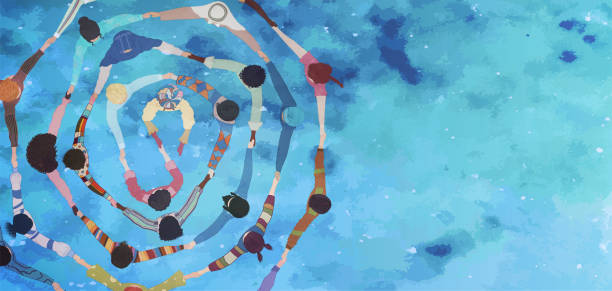
Rebuilding Trust After Trauma and Attachment Wounds: Do you find it difficult to trust people, even when you want close relationships? Learn how childhood experiences, attachment wounds, betrayal, and nervous system patterns can affect trust—and discover compassionate pathways toward healing, connection, and self-trust.
Why Do I Struggle To Trust People?
Important: This article is intended for educational purposes only and is not a substitute for medical care, mental health treatment, or professional advice. Always speak with your physician, therapist, or other qualified healthcare professional regarding your individual circumstances before beginning any treatment or making changes to your healthcare plan.
Introduction
Trust is one of the foundations of healthy relationships, yet for many people it can feel incredibly difficult. They may want connection, intimacy, and support while simultaneously questioning people’s motives, expecting disappointment, anticipating betrayal, or keeping emotional walls firmly in place.
Some people struggle to trust romantic partners. Others find it difficult to trust friends, family members, coworkers, professionals, or even themselves. They may constantly look for signs that something is wrong, feel uncomfortable relying on others, or believe that depending on people inevitably leads to hurt.
If you struggle to trust people, it does not necessarily mean you are cynical, damaged, or incapable of healthy relationships. Trust difficulties often develop for understandable reasons. In many cases, they are connected to attachment wounds, childhood trauma, emotional neglect, betrayal, abandonment, or experiences that taught the nervous system that relationships were unpredictable or unsafe.
What Is Happening?
Trust develops through experience.
Children learn whether people are trustworthy by observing how caregivers respond to their needs, emotions, vulnerabilities, and dependence. When caregivers are generally consistent, responsive, and emotionally available, children often develop a basic expectation that people can be relied upon.
When caregivers are inconsistent, neglectful, emotionally unavailable, abusive, unpredictable, critical, or unsafe, different conclusions may emerge. A child may learn that people cannot be counted on, that vulnerability leads to pain, or that trusting others creates risk.
These lessons often become deeply ingrained. Even when a person enters healthier relationships later in life, old expectations may continue influencing how they interpret situations.
Someone who has been betrayed may expect betrayal. Someone who has been abandoned may anticipate being left. Someone who has repeatedly been hurt may focus intensely on signs of danger while overlooking signs of safety.
These responses are often attempts to avoid future pain. Unfortunately, they can also make genuine connection more difficult.
Common Misconceptions
One common misconception is that trust is an all-or-nothing decision. Many people believe they either trust someone completely or not at all. In reality, healthy trust is usually built gradually through repeated experiences of consistency, honesty, reliability, and respect.
Another misconception is that trust issues mean someone is irrational or overly suspicious. While trust difficulties can create challenges, they often reflect experiences where trust was genuinely violated.
Some people believe they should automatically trust everyone in order to be healthy. Healthy trust is not blind trust. Trust involves discernment. It develops through evidence and experience rather than wishful thinking.
Many individuals also assume that trusting others means never getting hurt. Unfortunately, no relationship comes with guarantees. Trust is not certainty. It is a willingness to engage in relationships while accepting a degree of vulnerability.
Nervous System Perspective
From a nervous system perspective, trust is closely connected to safety.
The nervous system continuously evaluates whether people, situations, and relationships feel safe enough for connection. This process often occurs automatically and outside conscious awareness.
For individuals with attachment wounds or trauma histories, the nervous system may become highly sensitive to signs of danger. Small disappointments, misunderstandings, inconsistencies, or changes in behavior can trigger strong emotional reactions because they resemble earlier experiences.
The body may respond with anxiety, hypervigilance, emotional withdrawal, overthinking, suspicion, or a desire to create distance. These reactions are often protective rather than intentional.
In many cases, the nervous system is attempting to prevent a painful experience from happening again.
Understanding trust difficulties through a nervous system lens can reduce shame. These responses often developed because they were useful in environments where trust truly was unsafe.
It is also important to recognize that chronic anxiety, hypervigilance, sleep disturbances, concentration difficulties, emotional distress, and mood changes may have medical as well as psychological contributors. If symptoms are severe, persistent, worsening, or unexplained, consultation with a qualified healthcare professional is recommended.
What Helps?
Healing trust issues often begins with understanding where they came from.
Many people benefit from exploring the experiences that shaped their expectations about relationships. When trust difficulties are viewed as understandable adaptations rather than personal flaws, self-compassion often becomes easier.
Learning to distinguish between past danger and present reality is another important part of healing. Not everyone who enters your life is the person who hurt you. While caution can be healthy, constantly expecting betrayal can prevent meaningful connection.
Developing self-trust is also essential. Many people focus entirely on whether they can trust others while overlooking the importance of trusting themselves. Confidence in your ability to recognize red flags, set boundaries, and respond effectively to challenges often makes relationships feel safer.
Healthy relationships can also provide corrective experiences. Consistent, respectful, and emotionally safe people help challenge old beliefs and demonstrate that trust can sometimes be earned.
Professional support may help individuals process betrayal, attachment wounds, trauma, and the fears that continue affecting relationships.
A Somatic Perspective
From a somatic perspective, trust is experienced through the body as much as the mind.
Many people notice trust difficulties as tension, vigilance, guardedness, chest tightness, stomach discomfort, anxiety, or a constant readiness to protect themselves. The body often reacts before conscious thought has time to evaluate a situation.
Somatic approaches help individuals become more aware of these nervous system responses. Rather than automatically reacting to fear or suspicion, people learn to observe sensations, emotions, impulses, and patterns with curiosity.
Over time, the nervous system can begin learning that not every relationship carries the same level of risk. Individuals develop greater capacity to assess situations realistically rather than exclusively through the lens of past experiences.
Healing trust does not mean becoming naive. It means developing the ability to remain open while also remaining grounded, discerning, and connected to yourself.
Often, one of the most important forms of trust we build is trust in our own ability to navigate relationships wisely.
Looking For Support?
If you are struggling with trust issues, attachment wounds, fear of vulnerability, or the effects of childhood trauma, support is available.
At Somatic Paths Wellness, I offer trauma-informed, attachment-aware, and nervous-system-based support for people recovering from childhood trauma, attachment wounds, and relationship difficulties.
If you would like to explore whether we are a good fit, I invite you to book a free consultation through Somatic Paths Wellness.
References
Bowlby, J. (1988). A secure base: Parent-child attachment and healthy human development. Basic Books.
Johnson, S. M. (2019). Attachment theory in practice: Emotionally focused therapy (EFT) with individuals, couples, and families. Guilford Press.
Levine, A., & Heller, R. (2010). Attached: The new science of adult attachment and how it can help you find—and keep—love. TarcherPerigee.
Siegel, D. J. (2020). The developing mind: How relationships and the brain interact to shape who we are (3rd ed.). Guilford Press.
Wallin, D. J. (2007). Attachment in psychotherapy. Guilford Press.
About the Author
Autumn Rock is a trauma-informed recovery practitioner, somatic trauma and attachment therapist, writer, recovery coach, and educator. Through Somatic Paths Wellness, she supports individuals navigating trauma recovery, attachment wounds, addiction recovery, ADHD, nervous system regulation, and relational healing. Her work integrates somatic approaches, trauma-informed care, attachment theory, lived experience and practical recovery support to help people build lives rooted in safety, connection, and self-trust.
Related Articles:
Why Does Closeness Feel Unsafe? https://somaticpathswellness.com/why-does-closeness-feel-unsafe/
Why Am I Afraid People Will Leave Me? https://somaticpathswellness.com/why-am-i-afraid-people-will-leave-me/
What Are Attachment Wounds? https://somaticpathswellness.com/what-are-attachment-wounds/
How Does Childhood Trauma Affect Relationships? https://somaticpathswellness.com/how-does-childhood-trauma-affect-relationships/
How Do I Heal Attachment Wounds? https://somaticpathswellness.com/how-do-i-heal-attachment-wounds/