
All services at Somatic Paths Wellness are grounded in somatic, trauma-informed care. Different approaches are used depending on what best supports your nervous system, stage of recovery, and goals.
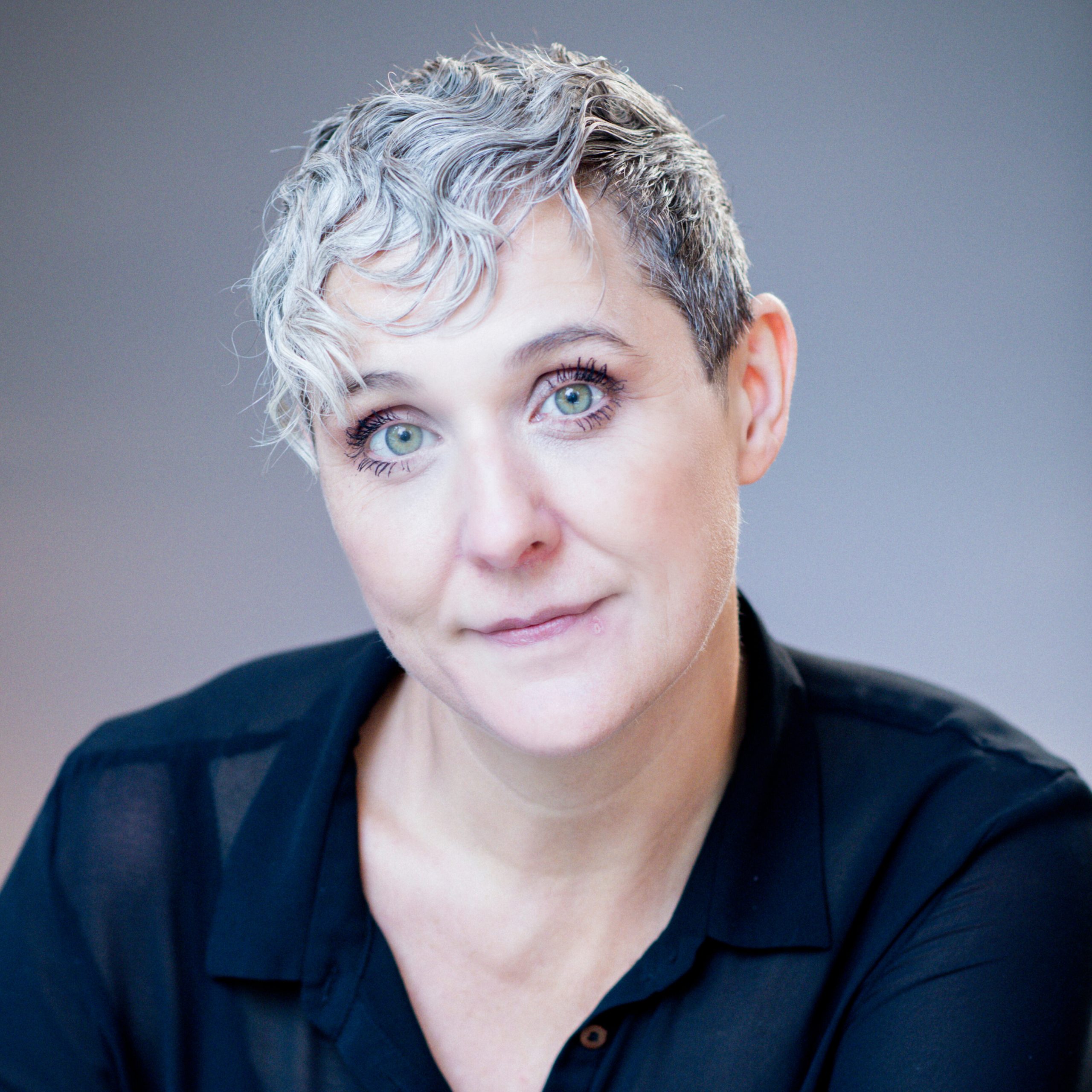
Autumn Rock
Recovery/ Life Coach and Somatic Therapist
She/They: Addictions Recovery Coach and Somatic Trauma and Attachment Therapist
After overcoming substance use disorder, codependency, and complex PTSD rooted in relational trauma, Autumn now supports others on their paths to recovery, healing, and wholeness. She is an Internationally Certified Professional Life and Recovery Coach, Interventionist, and Dependency Awareness Facilitator, with additional training in Somatic Attachment Therapy and Integrative Somatic Trauma Therapy. Drawing on both professional training and lived experience, her work is grounded in compassion, curiosity, and a deep respect for each person’s unique journey.
With more than 25 years of experience in mentoring, coaching, education, and recovery support, Autumn’s work lives at the intersection of addiction, trauma, neurodivergence, attachment, and nervous system healing. She works with individuals and families navigating substance use, codependency, trauma bonding, narcissistic abuse, domestic violence, adverse childhood experiences, attachment wounds, and the long-term impacts of relational trauma. Her approach recognizes that healing is rarely about fixing what is broken. More often, it is about understanding how people adapted to survive difficult experiences and helping them reconnect with the strengths, wisdom, and resilience that were there all along.
A significant focus of Autumn’s work is supporting adults with ADHD and other forms of neurodivergence. As someone who understands both professionally and personally the challenges that can accompany neurodivergence, she recognizes that many people have spent years feeling misunderstood, overwhelmed, disorganized, exhausted, or ashamed of the ways their minds work. Many have internalized messages that they are lazy, too much, not enough, or somehow failing at life, when in reality they have often been navigating systems, environments, and expectations that were never designed with their needs in mind. Rather than viewing ADHD through a deficit-based lens, Autumn works from a strengths-informed, nervous-system-aware perspective that helps individuals better understand their patterns, reduce shame, build self-compassion, and create strategies that work with their brains rather than against them.
Those who identify most deeply with Autumn’s work are often people recovering their sense of self after relational trauma. Many arrive feeling disconnected from their needs, their boundaries, their bodies, or their authentic identities. Together, they explore the patterns that once helped them survive while developing healthier ways of relating to themselves and others.
Clients often describe Autumn as grounded, compassionate, direct, and deeply attuned. Rather than positioning herself as an expert who has all the answers, she works collaboratively alongside those she supports, creating spaces where healing, growth, and meaningful change can emerge. At the heart of her work is a belief that recovery happens through connection: connection to self, connection to others, and connection to communities that make healing, belonging, and authentic self-expression possible.
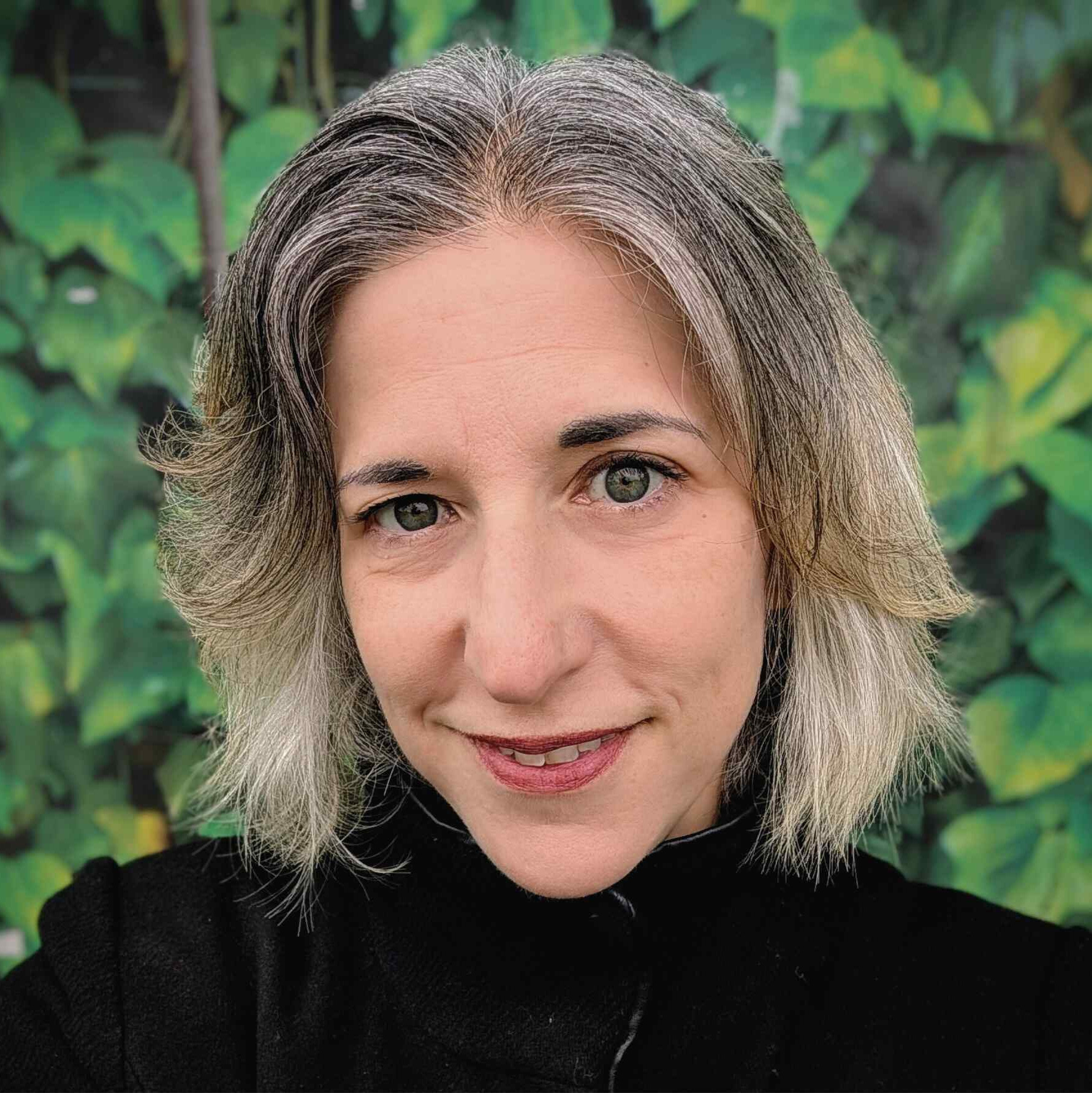
Alisa Harrison (she/her)
PhD, ACC, COC
Neurodivergent-Affirming Coach & Consultant
Alisa Harrison is a neurodivergent-affirming coach and consultant who brings a rare blend of intellectual depth, lived experience, and deep compassion to her work. As a late-identified autistic woman, Alisa understands from the inside the complexity of navigating work, relationships, identity, and purpose in systems that are often not designed with neurodivergent nervous systems in mind.
Her coaching focuses on supporting people through workplace conflict and challenge, personal and professional transitions, project planning and completion, neurodivergent self-discovery and identity development, recovery from burnout, trauma, moral distress or injury, anxiety, perfectionism, and disordered eating. She also offers support around gender-affirming parenting and relationships, and the ongoing work of unlearning oppression, including ableism, sexism, racism, and other systemic harms.
As an International Coaching Federation Associate Certified Coach, Certified Organizational Coach, and She Recovers® coach, Alisa approaches her work as a collaborative, client-led partnership. She believes deeply that people already carry wisdom about what they need, and her role is to walk alongside clients as they imagine what’s possible and move toward lives that feel more aligned, sustainable, and meaningful.
Alisa’s professional path weaves together leadership, learning, and healing. She holds a PhD in History and African American Studies from Duke University and has taught at the post-secondary level for over 25 years. She currently teaches Leadership at Royal Roads University, including supervising graduate theses and capstone projects. For nearly two decades, she has also worked as a leader, educator, and consultant in the health and social services sector, with a focus on trauma-informed, anti-oppressive practice and systems change.
Alongside her professional work, Alisa brings honesty and humility shaped by her own recovery from complex trauma, eating disorders, workplace moral injury, and burnout. She holds a grounded understanding that healing is not linear and that there is no perfect path forward. Justice matters. Connection matters. And gentleness matters — especially when people are figuring things out in real time.
Alisa invites clients to come to coaching exactly as they are. Whether you are rebuilding your sense of self, navigating expectations at work or school, reconnecting with your body or purpose, or sensing a change calling you — even without clear words yet — she offers a steady, thoughtful presence. Together, you’ll explore how your experiences, thoughts, emotions, and physical sensations shape the stories you tell about yourself and the world, and where you may have choice in shaping what comes next.
Alisa is currently welcoming new clients for individual, group, and team coaching, and offers complimentary discovery calls to explore whether working together feels like a good fit.
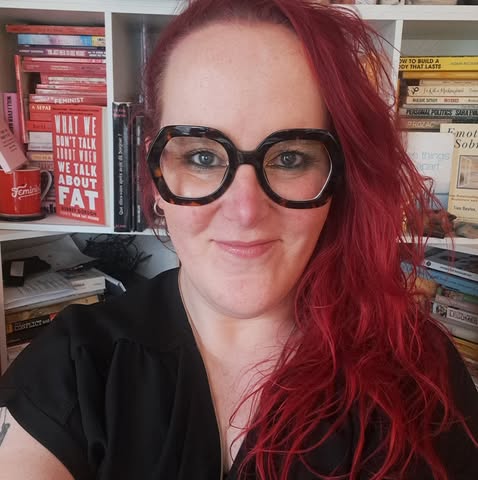
Jo Walduck
Jo Walduck is a recovery coach, therapist, and facilitator who specializes in supporting individuals navigating addictions, eating disorders, autism, ADHD, neurodivergence, and life transitions. Drawing on both professional training and lived experience, her work is grounded in compassion, curiosity, and a deep respect for each person’s unique path toward healing and growth.
Originally from the United Kingdom and now based in France, Jo brings a rich background that spans education, social care, higher education, coaching, and recovery support. Her approach recognizes that healing does not happen in isolation. Instead, our experiences are shaped by the complex interplay of personal history, relationships, identity, community, culture, systems, and environment.
A significant focus of Jo’s work is supporting autistic and otherwise neurodivergent individuals. She understands that many neurodivergent people have spent years navigating misunderstanding, masking, burnout, chronic overwhelm, sensory challenges, social exclusion, and systems that were not designed with their needs in mind. Rather than viewing autism through a deficit-based lens, Jo works from a strengths-informed and neurodiversity-affirming perspective that honours different ways of thinking, processing, communicating, relating, and experiencing the world.
Jo’s work is also informed by her experience within recovery communities, neurodivergent communities, and LGBTQIA+ spaces. She offers support that is affirming, inclusive, and responsive to the realities many people face when navigating recovery, burnout, eating disorders, addiction, identity exploration, and the impacts of living in environments that often expect people to disconnect from their authentic selves in order to belong.
Clients often describe Jo’s approach as thoughtful, compassionate, and deeply human. Rather than focusing on fixing people, she helps individuals reconnect with their own wisdom, capacity, and resilience. Her work supports people in developing greater self-understanding, reducing shame, building sustainable recovery practices, strengthening self-compassion, and creating lives that feel more aligned with their values, needs, and nervous systems.
Alongside her private practice, Jo collaborates with recovery and peer-support organizations and facilitates therapeutic recovery groups. She is committed to ongoing learning and regularly pursues additional training in recovery support, autism, ADHD, neurodivergence, inclusive practice, and trauma-informed care.
At the heart of Jo’s work is a belief that healing happens through connection: connection to self, connection to others, and connection to communities that make growth, recovery, belonging, and authentic self-expression possible.
Frequently Asked Questions
Why does everything feel overwhelming for me?
For many neurodivergent adults, overwhelm is not a failure of coping or resilience. It is the result of a nervous system that has spent years adapting to environments that were not built for how your brain processes information, emotion, and sensory input. Trauma, chronic stress, masking, and unmet support needs can keep the nervous system in a near-constant state of overload, making everyday demands feel unmanageable.
Is my ADHD or autism actually trauma?
ADHD and autism are neurotypes, not trauma responses. However, many neurodivergent people develop trauma because of chronic misunderstanding, pressure to mask, repeated experiences of failure, or relational harm. This can make it difficult to tell where neurodivergence ends and trauma responses begin. In reality, both often exist together and both need to be supported for real healing to occur.
Why do I shut down, freeze, or melt down instead of using coping skills?
Shutdowns and meltdowns are nervous system responses, not conscious choices. When the brain perceives threat or overwhelm, it shifts out of thinking mode and into survival mode. In these states, access to language, logic, and coping strategies is reduced. This is why insight alone is rarely enough. Regulation has to come before strategy.
Why hasn’t traditional therapy or coaching helped me?
Many neurodivergent adults find that approaches focused on changing thoughts, increasing productivity, or modifying behavior miss the root of the problem. If your nervous system is overwhelmed or dysregulated, no amount of trying harder will create lasting change. Trauma-informed, somatic approaches work with the body and nervous system first, creating the conditions where insight and skills can actually be used.
Why am I exhausted all the time?
Chronic exhaustion is extremely common for neurodivergent adults, especially those who have spent years masking, managing sensory overload, or pushing through burnout. Your body may still be operating as if it is under constant demand or threat, even when life looks calm on the outside. Rest alone is often not enough if the nervous system never fully settles.
What kind of support actually helps neurodivergent adults?
Support that helps respects your neurotype, reduces nervous system load, and builds capacity rather than compliance. This often includes somatic regulation, trauma-informed therapy or coaching, pacing, and learning how to work with your brain instead of against it. The goal is not to become someone else, but to create a life that is sustainable for how you are wired.
Our work with neurodivergent adults integrates somatic trauma therapy and recovery-oriented coaching to support nervous system regulation, identity repair, and sustainable ways of living that honour how your brain actually works.
Neurodivergent Coaching & Trauma-Informed Support | Somatic Paths Wellness
Neurodivergent-affirming coaching for adults with ADHD and autism. Trauma-informed, somatic support grounded in lived experience.
Somatic Paths Wellness offers neurodivergent-affirming, trauma-informed coaching and somatic support for adults with ADHD, autistic adults, and people who identify as neurodivergent. Our work is grounded in lived experience, nervous system science, and a deep respect for autonomy, consent, and pacing.
Many neurodivergent adults seek support after years of being misunderstood, misdiagnosed, or harmed by systems that prioritized compliance over care. If traditional therapy has felt invalidating, too fast, or disconnected from your lived reality, you are not alone — and you are in the right place.
We provide neurodivergent coaching, somatic support, and trauma-informed care that works with your nervous system, not against it.
Neurodivergent Support Grounded in Lived Experience
At Somatic Paths Wellness, neurodivergence is not viewed as a disorder to be corrected. It is understood as a difference in nervous system wiring that requires environments of safety, attunement, and flexibility.
Our neurodivergent support team brings complementary lived experience:
One practitioner knows ADHD from the inside — including the intensity, creativity, hyperfocus, emotional depth, sensory overwhelm, burnout cycles, and the long history many adults with ADHD carry of being told to “try harder,” “be more organized,” or “just focus.”
The other practitioner knows autism from the inside — including sensory processing differences, social translation fatigue, pattern-based thinking, the cost of masking, and the harm caused by being expected to perform neurotypical norms. With a PhD in history and extensive interdisciplinary training, her work bridges lived autistic experience with rigorous intellectual and systemic understanding.
Together, we offer ADHD coaching, autistic adult support, and neurodivergent-affirming care rooted in respect, insight, and collaboration.
Trauma-Informed, Somatic Coaching for ADHD, AuDHD and Autism
Many neurodivergent adults carry trauma — not always from a single event, but from years of cumulative stress, misattunement, coercion, exclusion, or chronic overwhelm. This often shows up as burnout, shutdown, anxiety, emotional dysregulation, relationship strain, or a deep sense of exhaustion.
Our work is trauma-informed and somatic, meaning we focus on the nervous system, the body, and the conditions required for safety and integration. We do not push disclosure. We do not pathologize coping strategies that once kept you safe. We move at a pace that respects capacity.
Support may include:
- Trauma-informed ADHD, Autistic and AuDHD coaching
- Autistic adult support grounded in lived experience
- Understanding neurodivergent nervous system responses
- Reducing chronic stress, burnout, and overwhelm
- Somatic tools for regulation and recovery
- Support around unmasking safely and intentionally
- Navigating work, relationships, parenting, and systems as a neurodivergent adult
- Identity integration after late diagnosis or self-recognition
This is neurodivergent therapy-adjacent support for those who want something relational, embodied, and collaborative rather than clinical or pathologizing.
Who This Neurodivergent Coaching Is For
This support may be right for you if:
- You are an adult with ADHD, autistic, or identify as neurodivergent
- You are seeking a neurodivergent coach rather than traditional therapy
- You experience burnout, overwhelm, or nervous system dysregulation
- You are navigating late diagnosis, self-identification, or identity shifts
- You want trauma-informed support that respects your intelligence and autonomy
- You are tired of masking or performing to survive
You do not need a formal diagnosis to work with us. Many people seeking neurodivergent support are self-identified, late-identified, or still exploring what fits. Curiosity and consent are enough.
Somatic Paths Wellness: A Neurodivergent-Affirming Practice
Somatic Paths Wellness exists to provide neurodivergent-affirming coaching and trauma-informed somatic support for people who have not felt seen or supported elsewhere.
We believe healing happens in relationship — with our bodies, our histories, and each other. We work alongside you, not above you. We build skills, insight, and capacity together.
We are the medicine.
If you are looking for ADHD coaching, autistic adult support, or trauma-informed neurodivergent care that feels grounded, respectful, and real, you are welcome here.