
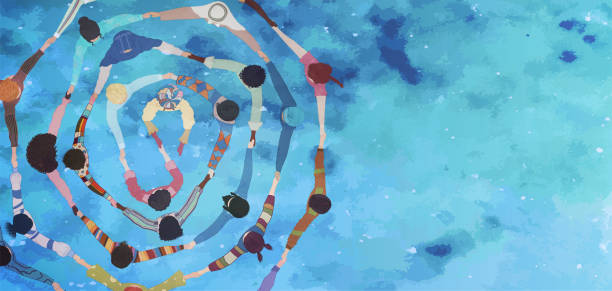
Healing Childhood Trauma: Finding Freedom, Connection, and Self-Trust: Childhood trauma can continue to affect relationships, self-worth, emotions, and nervous system regulation long into adulthood. Learn how trauma impacts the mind and body, and discover practical, trauma-informed approaches to healing, self-trust, and recovery.
Important: This article is intended for educational purposes only and is not a substitute for medical advice, diagnosis, treatment, psychotherapy, or crisis services. Always consult with a qualified healthcare professional regarding any physical or mental health concerns and before beginning any new treatment approach.
How Do I Heal Childhood Trauma?
Introduction
If you are asking how to heal childhood trauma, you are not alone. Many adults find themselves struggling with anxiety, depression, relationship difficulties, low self-worth, people-pleasing, emotional overwhelm, chronic stress, addiction, perfectionism, or a persistent feeling that something is wrong with them. Often, these struggles are not signs of personal weakness. They are adaptations that developed in response to experiences that felt overwhelming, unsafe, unpredictable, neglectful, or emotionally painful during childhood.
Childhood trauma can result from experiences such as abuse, neglect, abandonment, chronic criticism, exposure to violence, bullying, family conflict, addiction within the home, emotional invalidation, or growing up in environments where a child’s emotional needs were not consistently met. Healing childhood trauma is not about erasing the past. It is about understanding how the past continues to affect the present and learning new ways to relate to yourself, your body, your emotions, and your relationships.
What Is Happening?
Childhood experiences help shape the beliefs we develop about ourselves, others, and the world. When children grow up in environments that feel emotionally or physically unsafe, they often learn survival strategies that help them cope. These adaptations may include becoming highly independent, avoiding conflict, suppressing emotions, becoming hypervigilant, constantly seeking approval, or prioritizing other people’s needs over their own.
These strategies often make sense in the environments where they developed. The challenge is that they may continue long after the original danger has passed. As adults, people may find themselves reacting to current situations through the lens of old experiences. A disagreement with a partner may feel like abandonment. Constructive feedback may feel like rejection. Setting boundaries may trigger guilt or fear.
Healing begins when we recognize that many current struggles are not character flaws but learned survival responses that once served a purpose.
Common Misconceptions
One common misconception is that childhood trauma only refers to severe abuse or catastrophic events. While those experiences can certainly be traumatic, trauma is not defined solely by what happened. Trauma is also influenced by how experiences affected a child’s developing nervous system and sense of safety. Emotional neglect, chronic criticism, inconsistent caregiving, and growing up in environments where emotions were dismissed can have significant long-term impacts.
Another misconception is that people should simply “move on” from childhood experiences once they become adults. Trauma does not disappear simply because time has passed. Unresolved trauma often continues to influence emotions, beliefs, relationships, and physical health until it is acknowledged and addressed.
Many people also believe that healing means never feeling pain again. In reality, healing is often about increasing our ability to experience difficult emotions without becoming overwhelmed by them. It is about developing greater resilience, self-awareness, and self-compassion rather than achieving perfection.
Nervous System Perspective
From a nervous system perspective, childhood trauma can shape how the body responds to stress for years or even decades. The nervous system learns from experience. If a child grows up in an environment where safety is unpredictable, their body may become highly skilled at detecting potential threats.
This can result in chronic activation of survival responses such as fight, flight, freeze, fawn, or shutdown patterns. Even when no immediate danger is present, the nervous system may continue operating as though danger could appear at any moment. This can contribute to anxiety, emotional reactivity, people-pleasing, avoidance, perfectionism, difficulty relaxing, sleep disturbances, or chronic tension.
Understanding trauma through a nervous system lens can reduce shame. Many behaviors people criticize themselves for are actually signs of a nervous system that learned to protect them under difficult circumstances.
It is also important to recognize that symptoms such as chronic fatigue, sleep disturbances, concentration difficulties, mood changes, pain, digestive issues, and cognitive challenges can have medical as well as psychological causes. Individuals experiencing persistent, worsening, or unexplained symptoms should consult a qualified healthcare provider for assessment and support.
What Helps?
Healing childhood trauma is rarely a single event. It is often a gradual process of developing safety, awareness, connection, and self-trust. Education can be a powerful starting point. Understanding trauma, attachment, and nervous system responses helps many people make sense of experiences that once felt confusing or shameful.
Supportive relationships also play an important role. Trauma often occurs within relationships, and healing frequently happens within relationships as well. Safe, respectful, and consistent connections can help create corrective emotional experiences that challenge old beliefs about worthiness, trust, and belonging.
Learning emotional regulation skills can also be helpful. Rather than trying to suppress emotions, many people benefit from learning how to recognize, tolerate, and respond to emotions in healthier ways. Boundaries, self-compassion, mindfulness, movement, rest, and nervous system regulation practices can all contribute to recovery.
For some individuals, professional support can provide a structured and supportive environment for exploring trauma and developing new patterns of relating to themselves and others.
A Somatic Perspective
Somatic approaches recognize that trauma is not stored only as memories or thoughts. Trauma also affects the body. Many people notice trauma showing up as chronic tension, numbness, restlessness, digestive discomfort, muscle guarding, difficulty breathing deeply, emotional flooding, or a persistent sense of being on edge.
Somatic work focuses on helping individuals reconnect with their bodies in safe and manageable ways. Rather than forcing people to relive painful experiences, somatic approaches often emphasize developing awareness of sensations, emotions, movement patterns, boundaries, and nervous system responses in the present moment.
As people build greater capacity to notice and tolerate their internal experiences, they often begin to feel more grounded, connected, and empowered. Over time, the body can learn that the danger is no longer occurring right now. This process helps support nervous system regulation, emotional resilience, and a stronger sense of self-trust.
Healing childhood trauma is not about becoming someone different. It is about reconnecting with parts of yourself that may have been hidden beneath years of survival.
Looking For Support?
If you are struggling with the effects of childhood trauma, support is available.
At Somatic Paths Wellness, I offer trauma-informed, attachment-aware, and nervous-system-based support for people recovering from childhood trauma and attachment wounds.
If you would like to explore whether we are a good fit, I invite you to book a free consultation through Somatic Paths Wellness.
References
Bessel van der Kolk, B. A. (2015). The body keeps the score: Brain, mind, and body in the healing of trauma. Penguin Books.
Levine, P. A. (2010). In an unspoken voice: How the body releases trauma and restores goodness. North Atlantic Books.
Ogden, P., Minton, K., & Pain, C. (2006). Trauma and the body: A sensorimotor approach to psychotherapy. W. W. Norton & Company.
Siegel, D. J. (2020). The developing mind: How relationships and the brain interact to shape who we are (3rd ed.). Guilford Press.
Substance Abuse and Mental Health Services Administration. (2014). SAMHSA’s concept of trauma and guidance for a trauma-informed approach. U.S. Department of Health and Human Services.
About the Author
Autumn Rock is a trauma-informed recovery practitioner, somatic trauma and attachment therapist, writer, recovery coach, and educator. Through Somatic Paths Wellness, she supports individuals navigating trauma recovery, attachment wounds, addiction recovery, ADHD, nervous system regulation, and relational healing. Her work integrates somatic approaches, trauma-informed care, attachment theory, lived experience and practical recovery support to help people build lives rooted in safety, connection, and self-trust.
Related Articles:
What Are Attachment Wounds? https://somaticpathswellness.com/what-are-attachment-wounds/
What Is Childhood Emotional Neglect? https://somaticpathswellness.com/what-is-childhood-emotional-neglect/
How Does Childhood Trauma Affect Adults? https://somaticpathswellness.com/how-does-childhood-trauma-affect-adults/
How Does Childhood Trauma Affect Relationships? https://somaticpathswellness.com/how-does-childhood-trauma-affect-relationships/
How Do I Heal Attachment Wounds? https://somaticpathswellness.com/how-do-i-heal-attachment-wounds/